Foundational AI: Do's and Don'ts
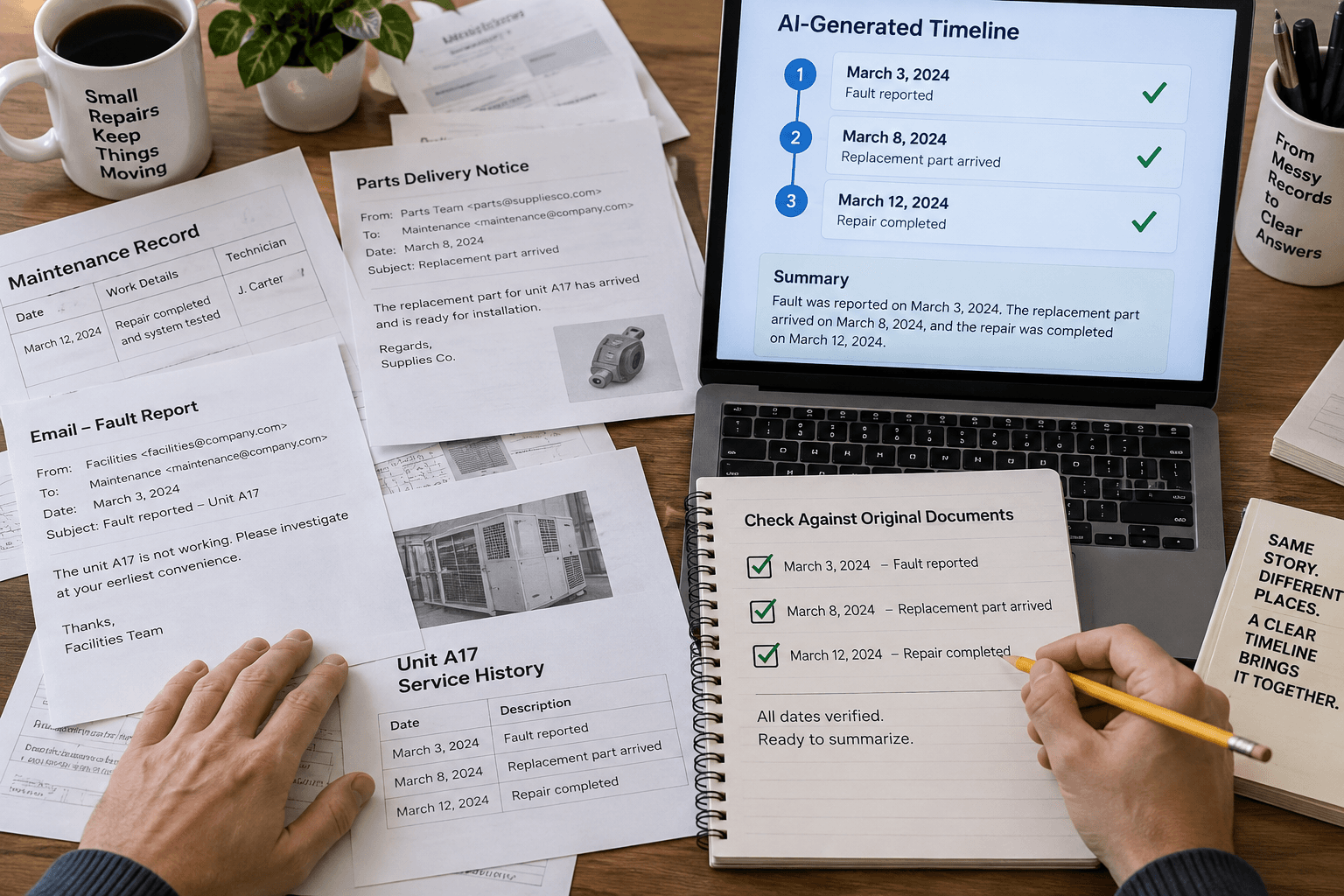
Put events in order before asking AI to summarize them
When notes describe the same job out of order, ask AI to build a dated event list before it summarizes. Then check the sequence against the original records.


What is actually happening in AI, and what it changes for a business the size of yours. Written to a standing brief, checked before it ships, and sourced so you can go verify it yourself. Search it, filter it, argue with it.
Preview: connection is not live until deployment. Save this URL for use after release.
Give a compatible agent access to public Library articles and sources. Its client must support remote MCP over Streamable HTTP. No account, login or API key is needed for this read-only connection.
Add that URL in your client’s remote MCP connection settings and choose no authentication. Setup and compatibility vary by client.
Your own agent handles scheduling, if it supports scheduled tasks. For example, ask it: “Every Friday, check AI with Nico for new articles relevant to my business and give me the useful takeaways.” The Library supplies the articles and sources; it does not create that schedule.
3 articles matching / latest 21 Oct 2026
Foundational AI: Do's and Don'ts
When notes describe the same job out of order, ask AI to build a dated event list before it summarizes. Then check the sequence against the original records.
Foundational AI: Do's and Don'ts
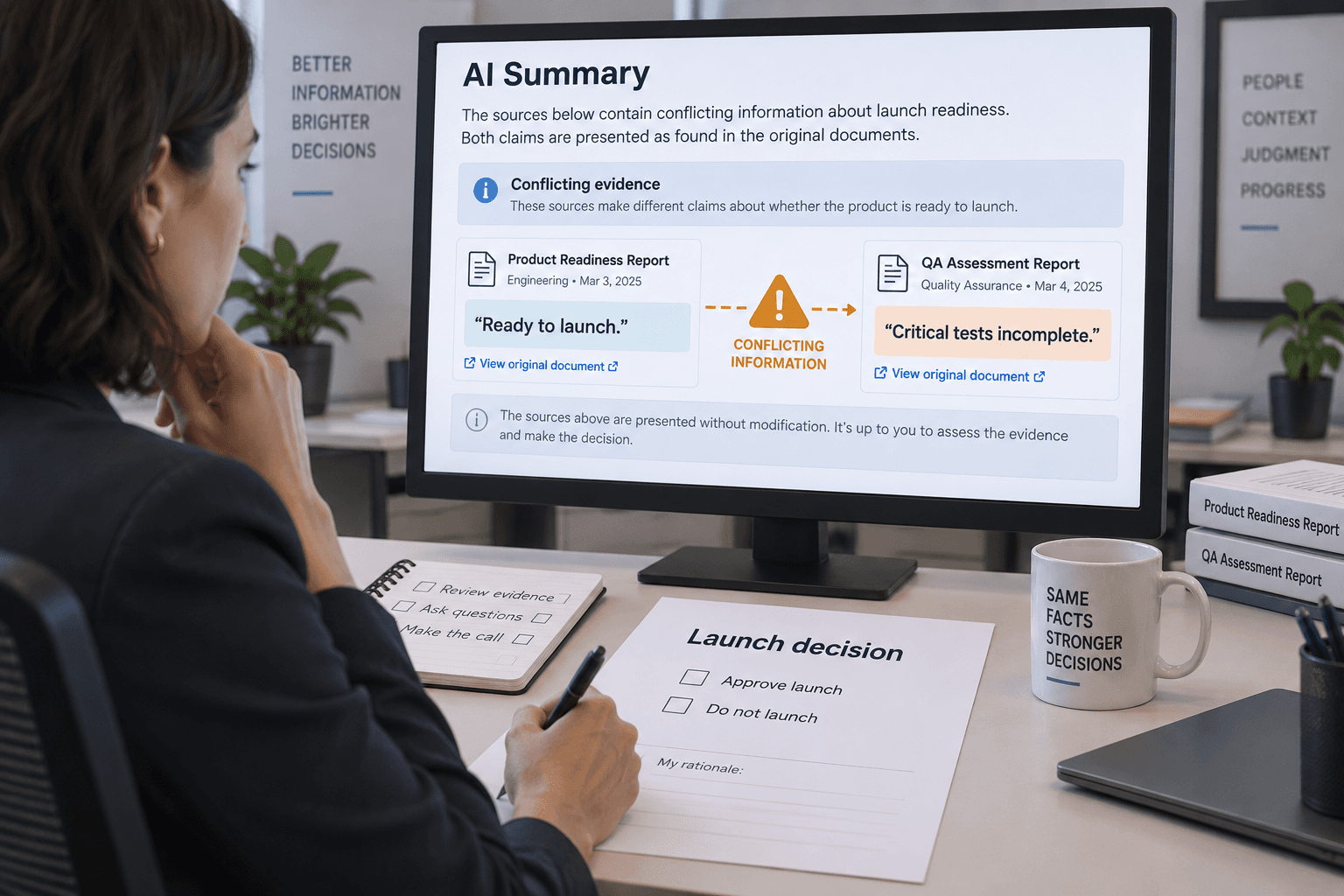
When two sources disagree, a smooth AI summary can hide the detail your team needs to decide. Ask it to show the conflict and keep the decision with the person who owns it.
Foundational AI: Do's and Don'ts
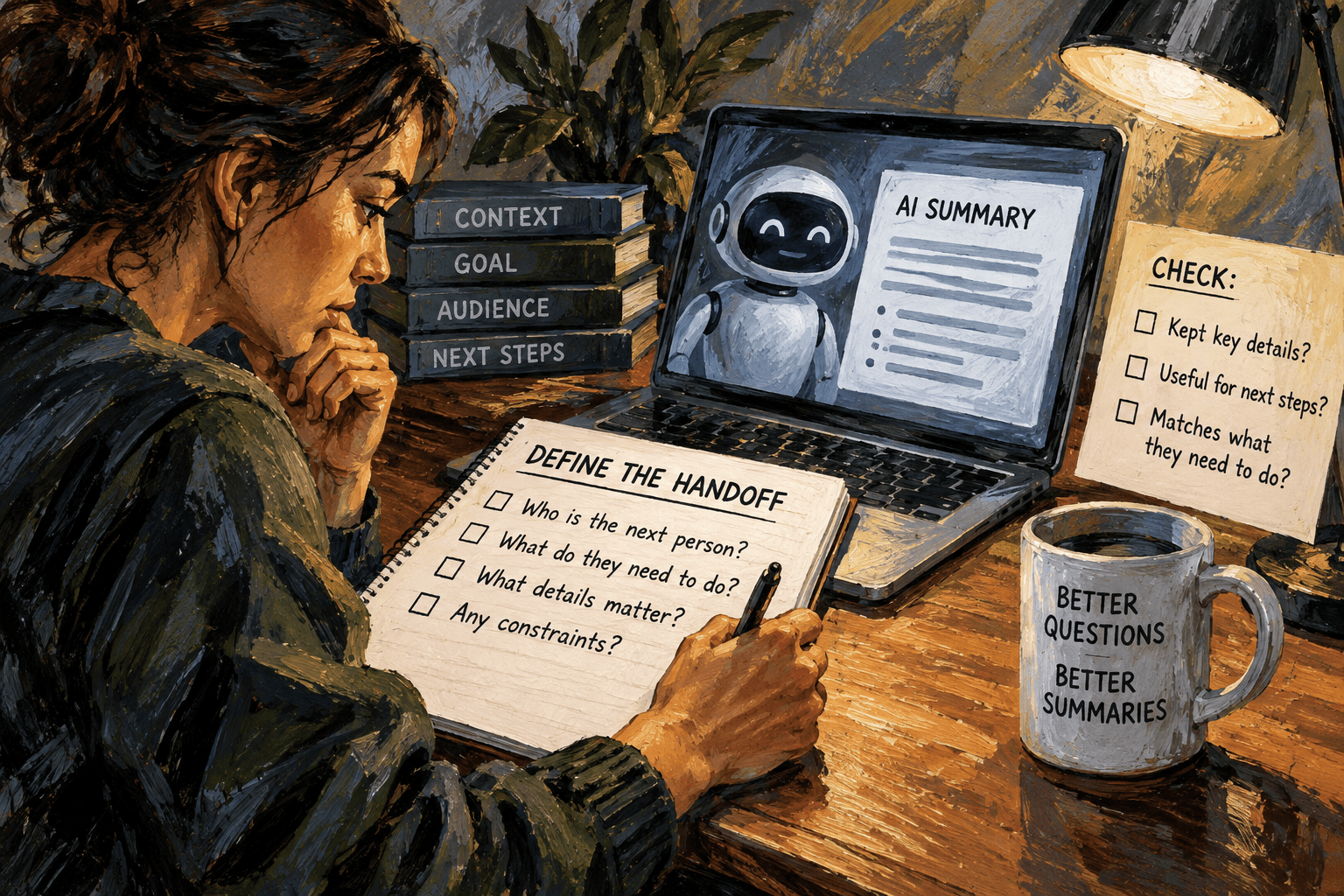
A useful AI summary is shaped by what the next person needs to do. Define that handoff first, then check that the summary kept the details that matter.
Weekly digest
The weekly digest is being curated: a few meaningful developments and one practical takeaway, with useful detail in the email. Delivery will resume after the audience and schedule are confirmed. One click to unsubscribe, any time.