Back to this week
Library132 articles on file

The Library

What is actually happening in AI, and what it changes for a business the size of yours. Written to a standing brief, checked before it ships, and sourced so you can go verify it yourself. Search it, filter it, argue with it.

Filters (2)

Showing August 2026

24 articles matching / latest 31 Aug 2026

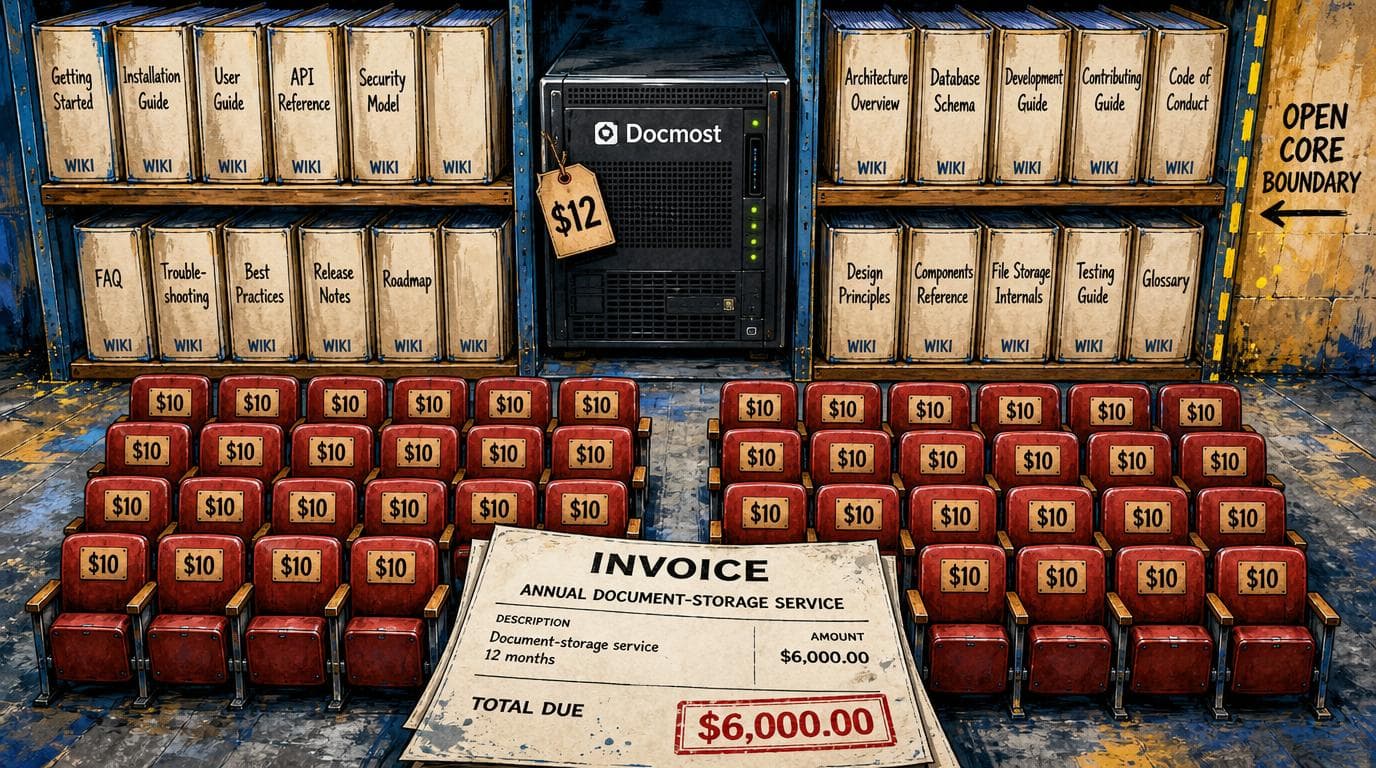
25 seats cost $20 each plus $6,000 annual storage, while Docmost costs $12 and has an open core.

Git Articles

Docmost and the seat that doubled

Notion folded its AI into the Business tier, so the plan most teams actually want went from $10 a seat to $20. For 25 people that is $6,000 a year to store documents. Docmost is the AGPL wiki that does the documentation half of that job on a $12 server, and the honest part is where its open core stops.
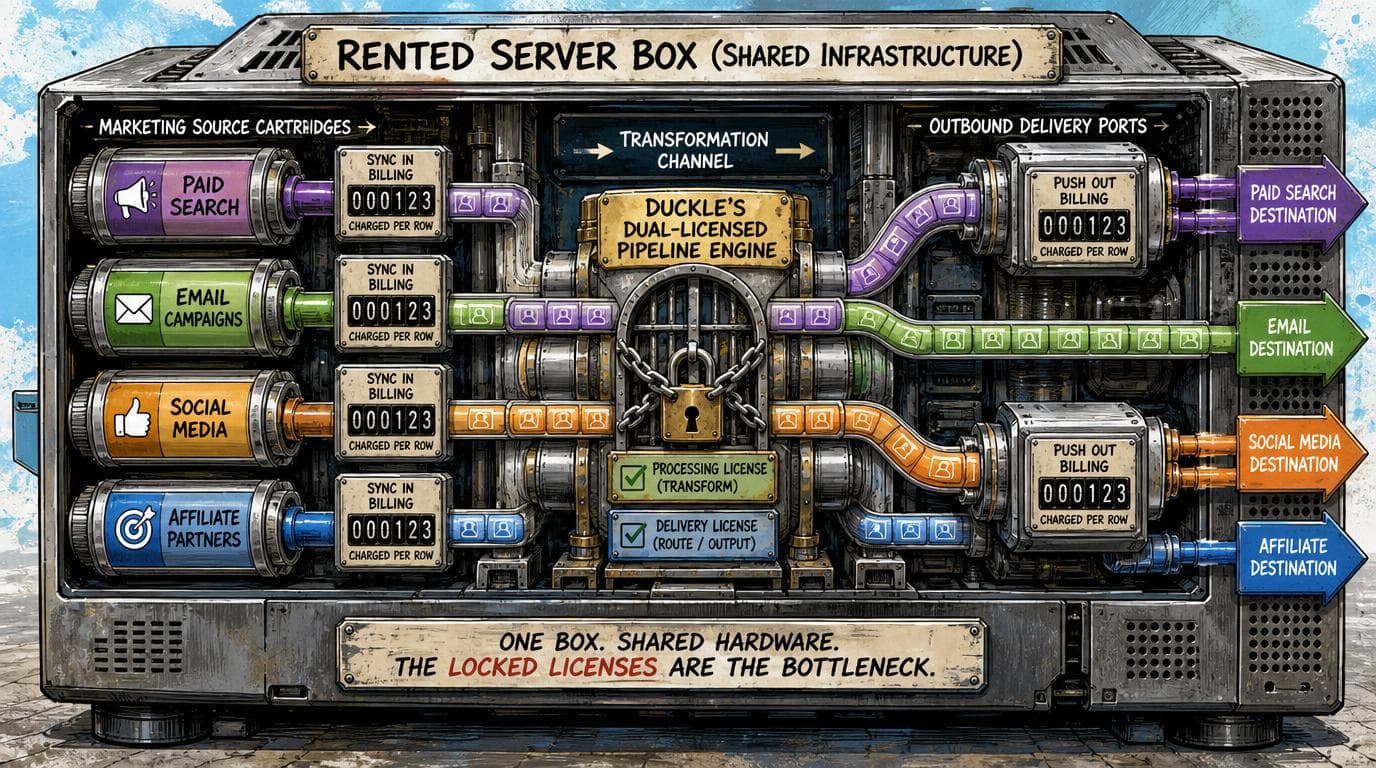
A shared server runs a licensed pipeline that duplicates incoming rows, routes them outward, and charges each row twice.

Git Articles

Duckle and the row that bills you twice

Fivetran's own pricing page works out a company of one to two hundred people at $549.36 a month to sync four marketing sources, plus $399.73 to push two of them back out. That is $11,389 a year to move rows, and Duckle is the dual-licensed pipeline builder that does it on a box you already rent. The catch is not the hosting.

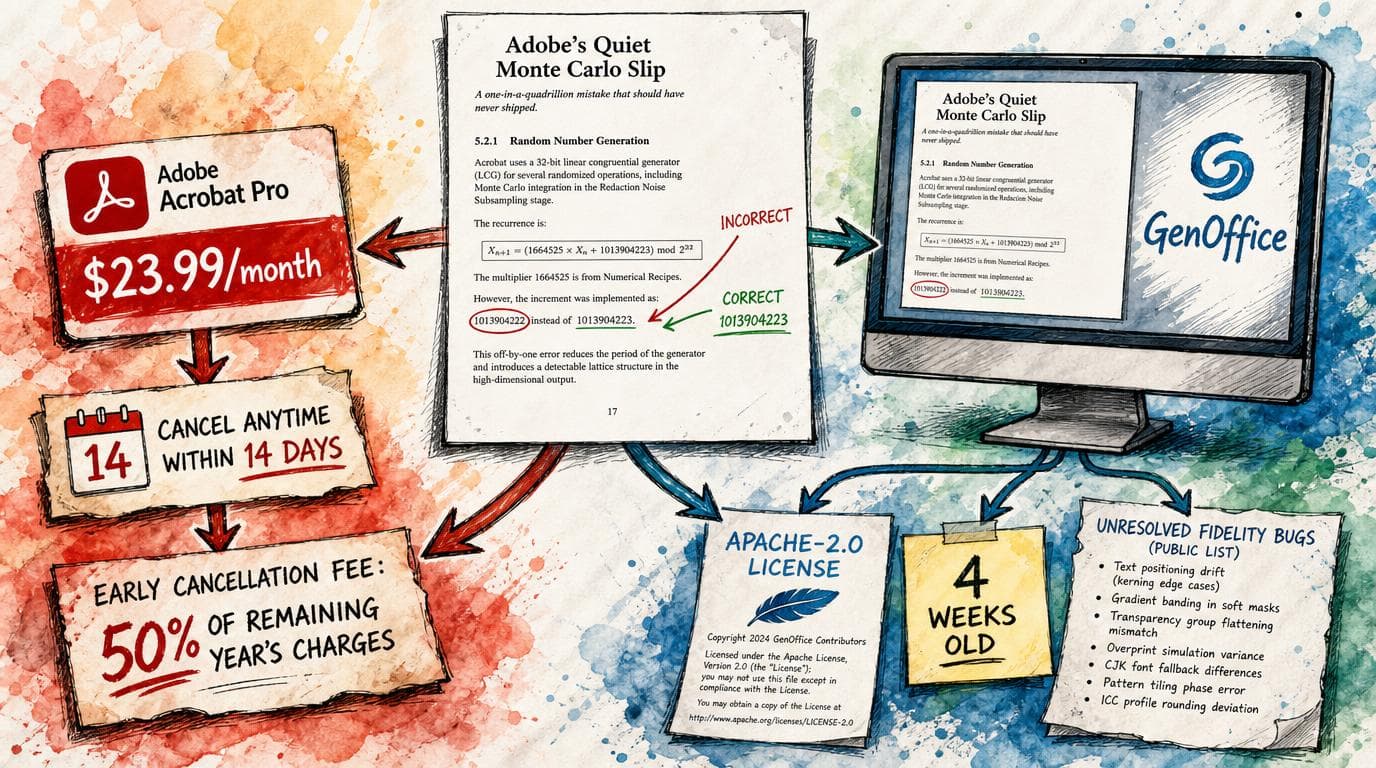
A corrected PDF branches to Acrobat Pro costs and cancellation fees or GenOffice with an Apache license and known bugs.

Git Articles

GenOffice and the twenty-four-dollar PDF seat

Changing one wrong number inside a PDF costs an Acrobat Pro seat at $23.99 a license a month, and cancelling after fourteen days costs you half the remaining year. GenOffice is a four-week-old Apache-2.0 desktop suite that does that job on your own machine, and its fidelity bugs are still open in public.

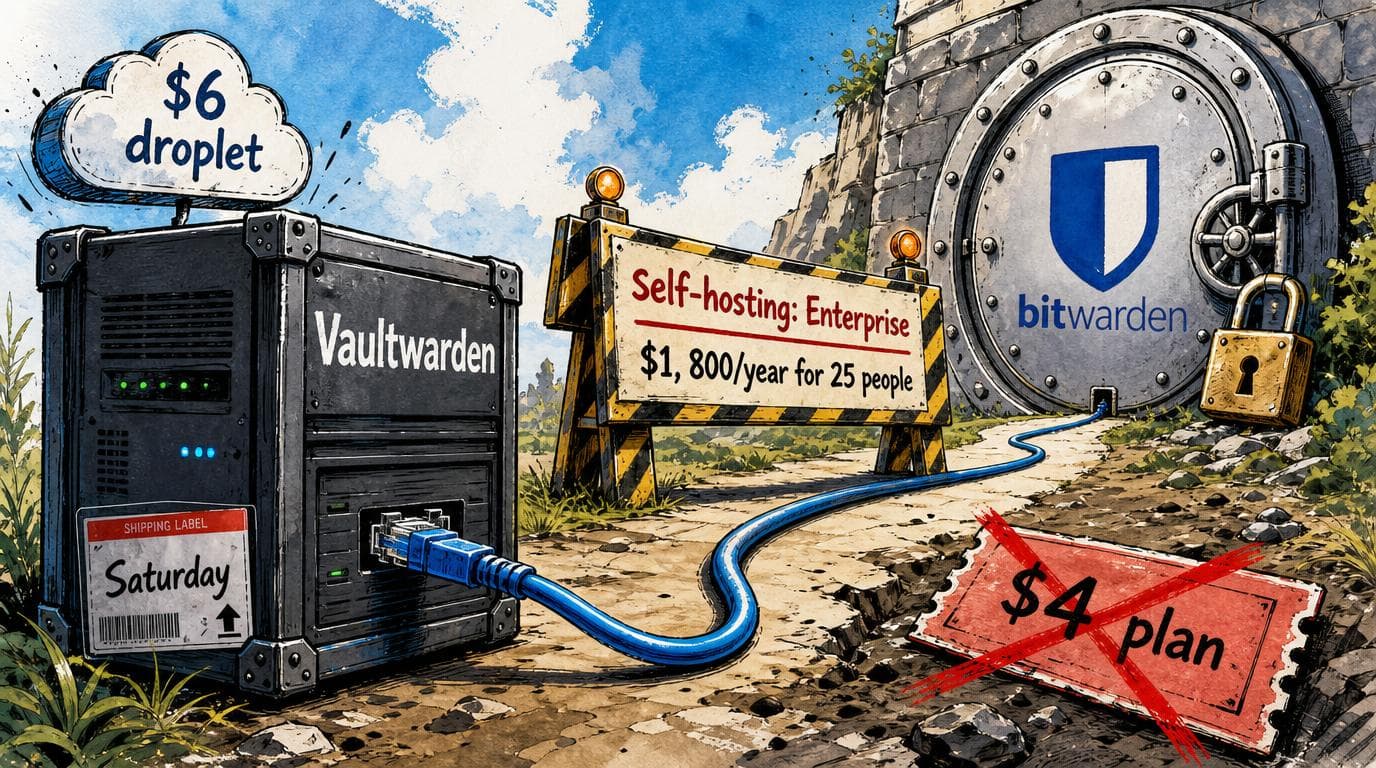
A Vaultwarden server connects to a Bitwarden vault; a $6 droplet arrives Saturday, while a $4 plan is blocked.

Git Articles

Vaultwarden and the tier you buy to self-host

A 25-person company that wants its password vault on its own server pays Bitwarden $1,800 a year, because self-hosting is an Enterprise feature and the $4 plan is not eligible. Vaultwarden is the independent server the same official Bitwarden apps talk to, it runs on a six-dollar droplet, and it shipped on Saturday.

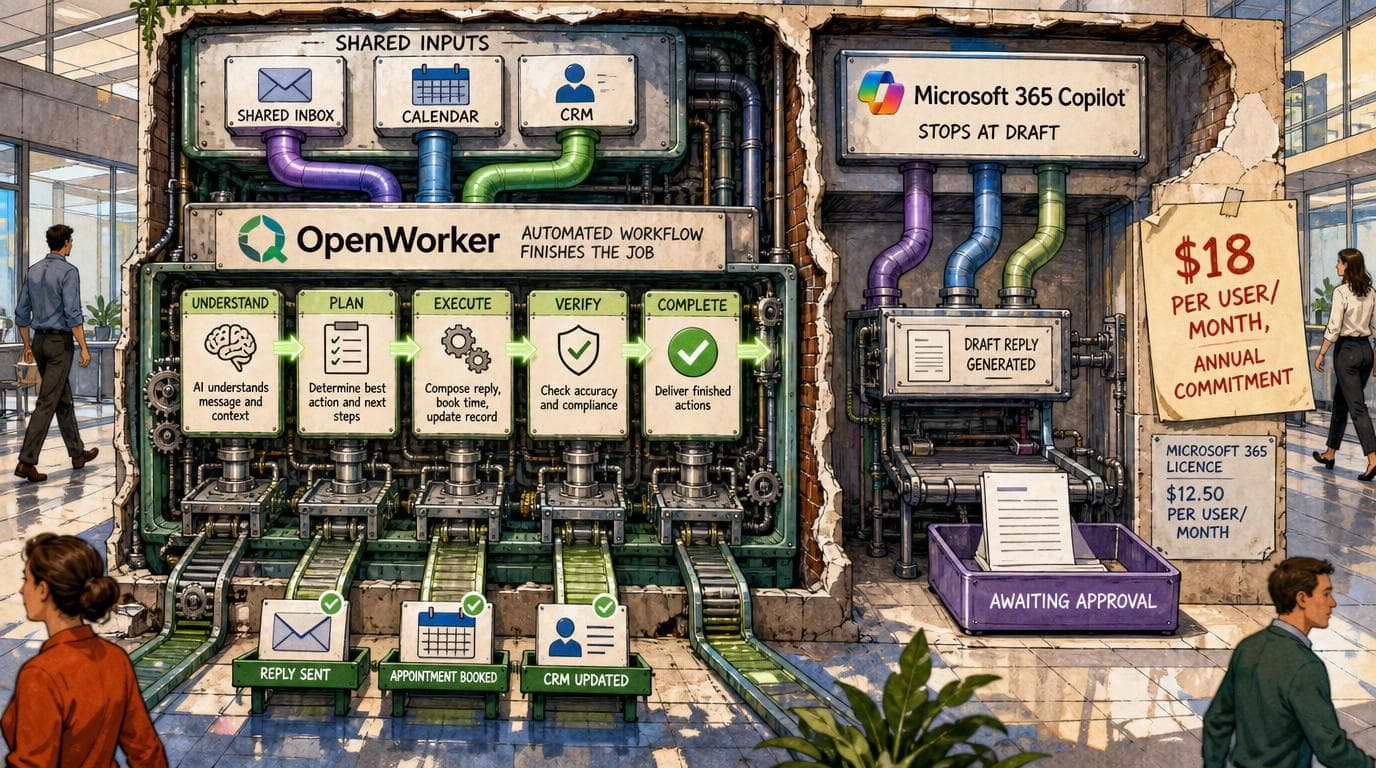
OpenWorker completes replies, meetings and CRM updates, while Microsoft 365 Copilot leaves a draft for approval.

Git Articles

OpenWorker and the draft you still have to finish

Microsoft 365 Copilot runs $18 a user a month on an annual commitment, on top of the Microsoft 365 licence you already pay for, and what it hands back is a draft somebody still has to open and finish. OpenWorker is an MIT-licensed desktop app that connects to the same inbox, calendar and CRM and is built around finishing the job instead.

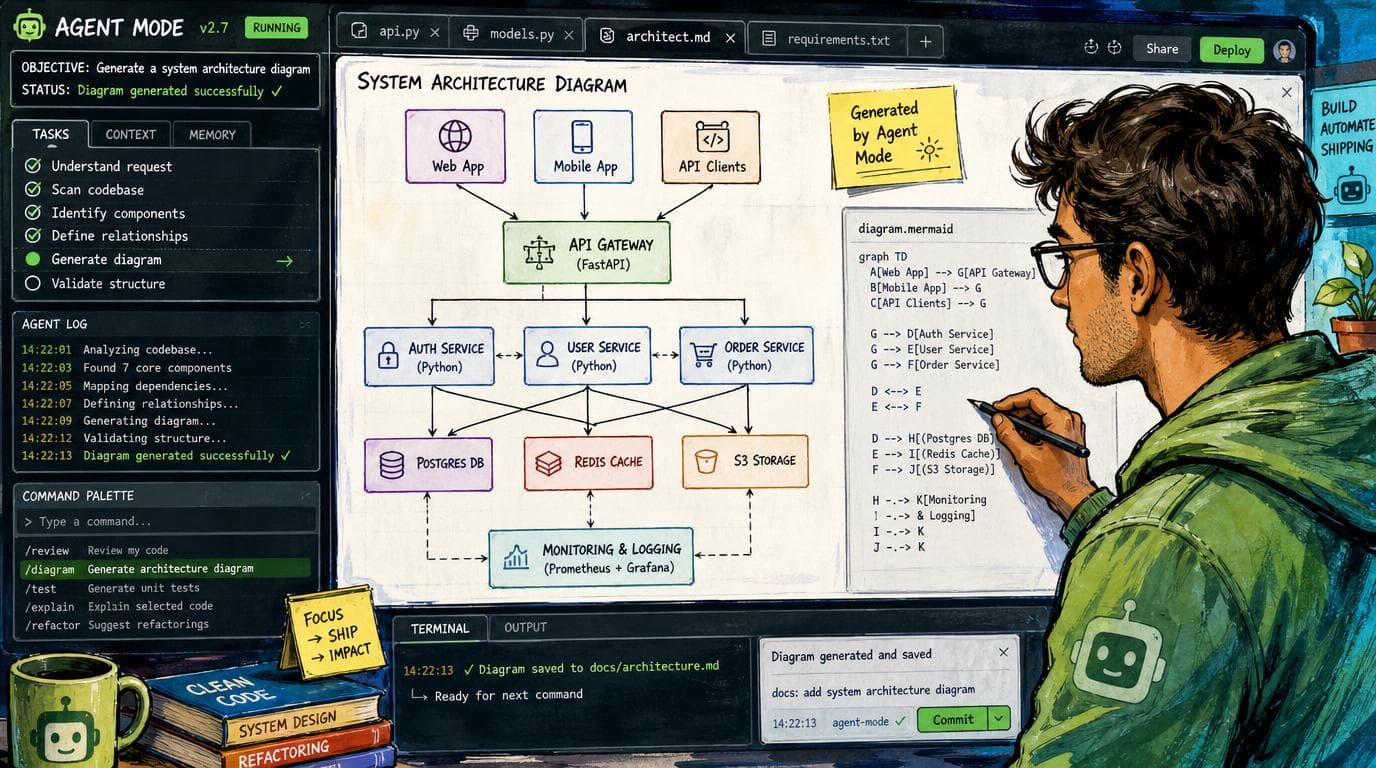
A coding agent interface generates a structured diagram, replacing a separate paid diagramming workspace.

Git Articles

Diagram Design and the slide you never made

Ten people who need to make a diagram costs $2,400 a year on Miro's Business tier, and most of those diagrams never get made anyway. Diagram Design is an MIT-licensed skill that draws them inside the coding agent you already pay for, and it went past 22,000 stars in a week.

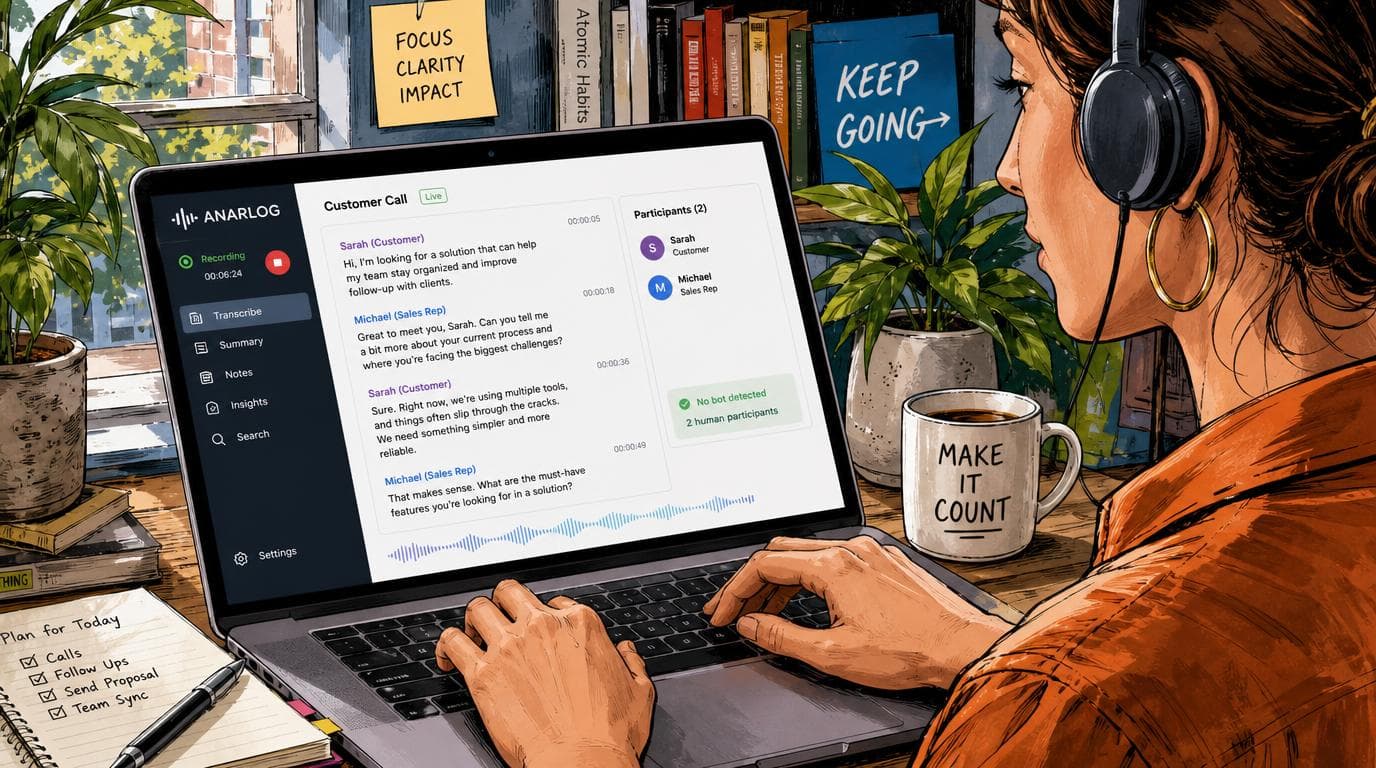
Laptop running Anarlog locally records and transcribes a customer call with only human participants listed.

Git Articles

Anarlog and the bot in every client call

Ten people taking customer calls costs $1,680 a year at Granola's Business tier and $3,600 at Otter's, and every minute of audio lands on somebody else's server. Anarlog records and transcribes on the laptop that is already in the room, MIT licensed, with no bot in the participant list.

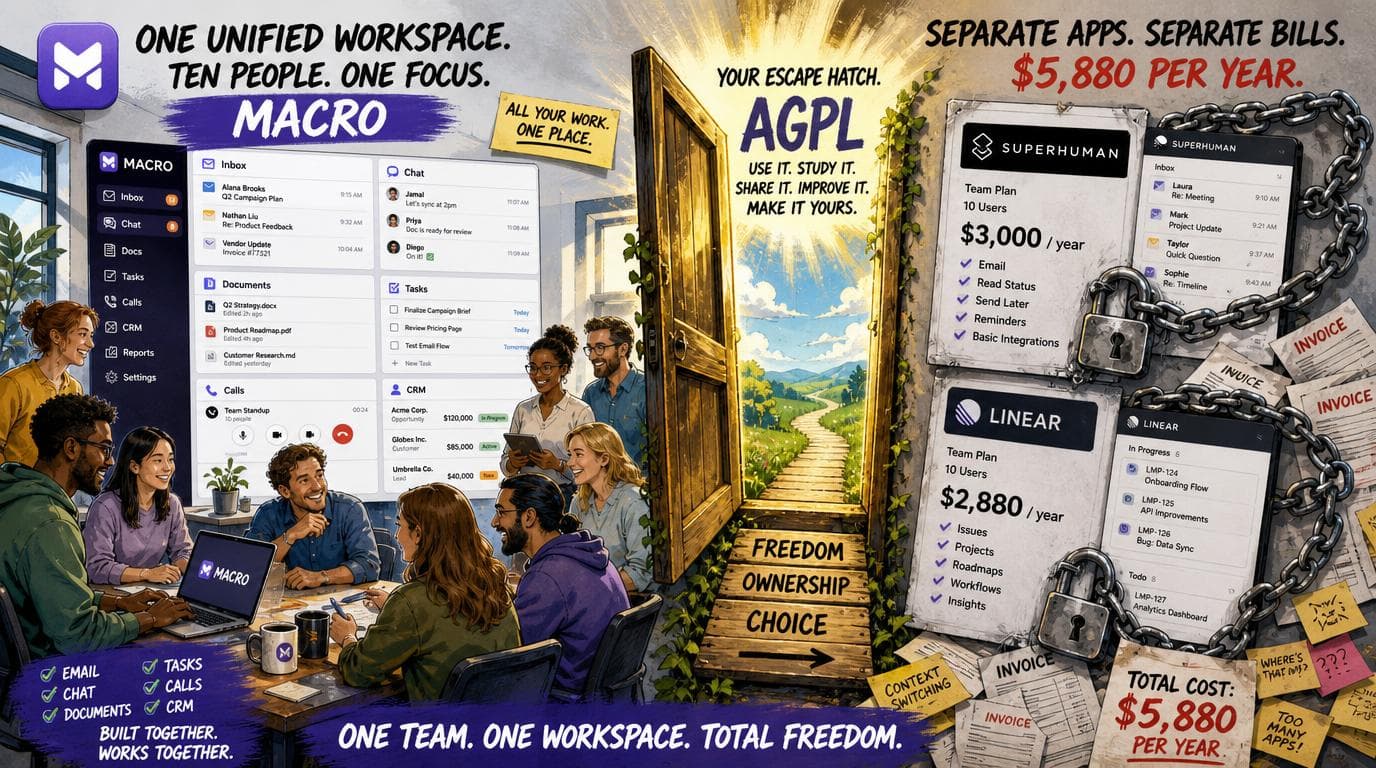
Ten person team uses Macro for email, chat, documents, tasks, calls, and CRM instead of Superhuman and Linear, with AGPL.

Git Articles

Macro and the forty-dollar stack

Ten people on Superhuman and Linear alone costs $5,880 a year, and all it buys is an inbox and a task board. Macro does email, chat, docs, tasks, calls and CRM out of one app for $40 a seat, and it moved to the AGPL in May, which means the escape hatch is written into the license.

Weekly digest

Every Monday, one email with whatever the archive added that week. Nothing lands in your inbox on a week the archive did not grow. One click to unsubscribe, any time.