
Foundational AI: Do's and Don'ts
Give AI a 'needs review' lane
AI can sort incoming requests into a few useful categories. Give it a clear route for cases that don’t fit, then check the uncertain examples before trusting the queue.


What is actually happening in AI, and what it changes for a business the size of yours. Written to a standing brief, checked before it ships, and sourced so you can go verify it yourself. Search it, filter it, argue with it.
Preview: connection is not live until deployment. Save this URL for use after release.
Give a compatible agent access to public Library articles and sources. Its client must support remote MCP over Streamable HTTP. No account, login or API key is needed for this read-only connection.
Add that URL in your client’s remote MCP connection settings and choose no authentication. Setup and compatibility vary by client.
Your own agent handles scheduling, if it supports scheduled tasks. For example, ask it: “Every Friday, check AI with Nico for new articles relevant to my business and give me the useful takeaways.” The Library supplies the articles and sources; it does not create that schedule.
Practical guidance for starting with AI, using it responsibly, and knowing when to check its work.
Showing October 2026
40 articles matching / latest 16 Oct 2026
Foundational AI: Do's and Don'ts
AI can sort incoming requests into a few useful categories. Give it a clear route for cases that don’t fit, then check the uncertain examples before trusting the queue.
Foundational AI: Do's and Don'ts
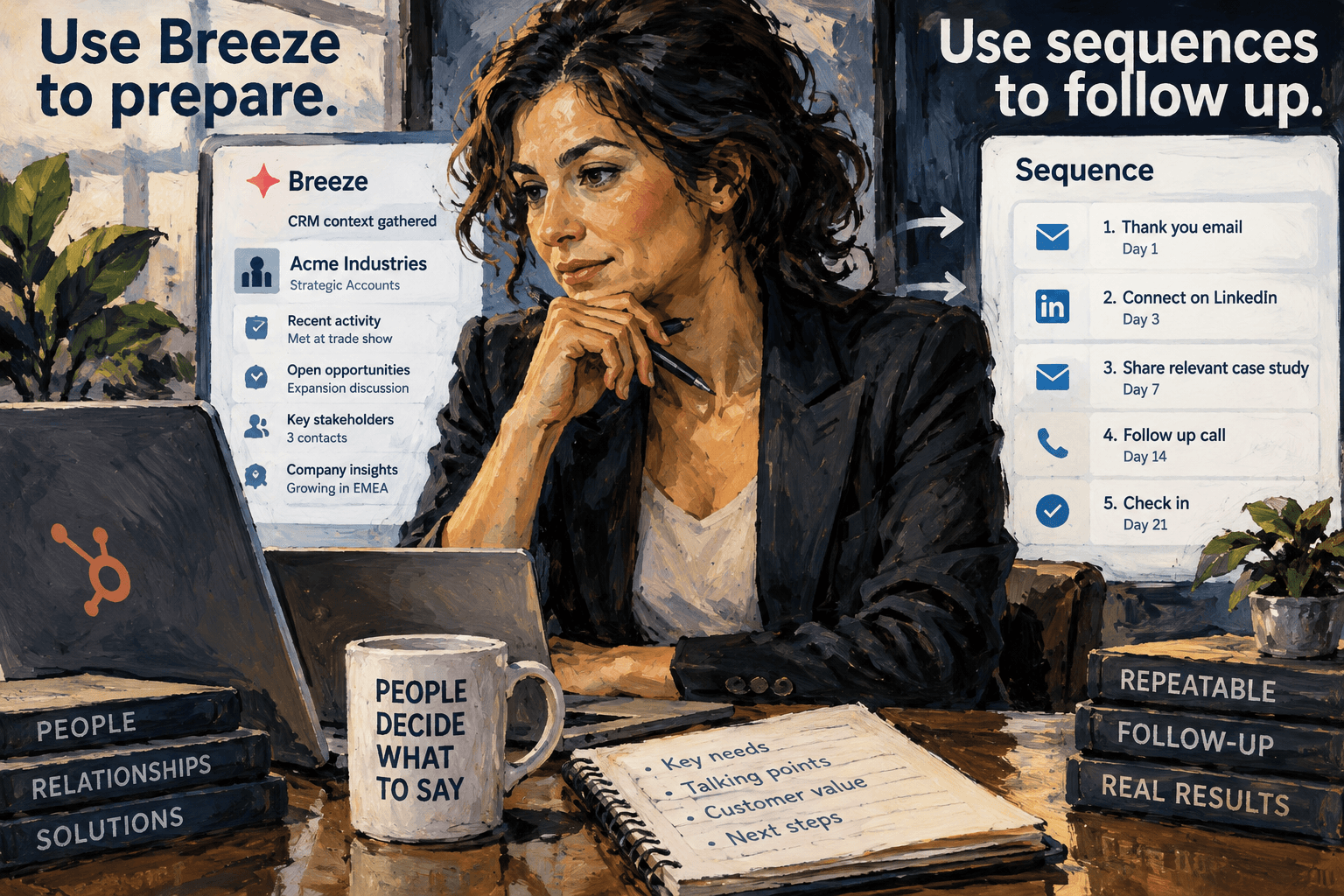
For high-touch B2B sales, let Breeze gather CRM context and let a person decide what to say. Use sequences for the follow-up steps that are genuinely repeatable.
Foundational AI: Do's and Don'ts
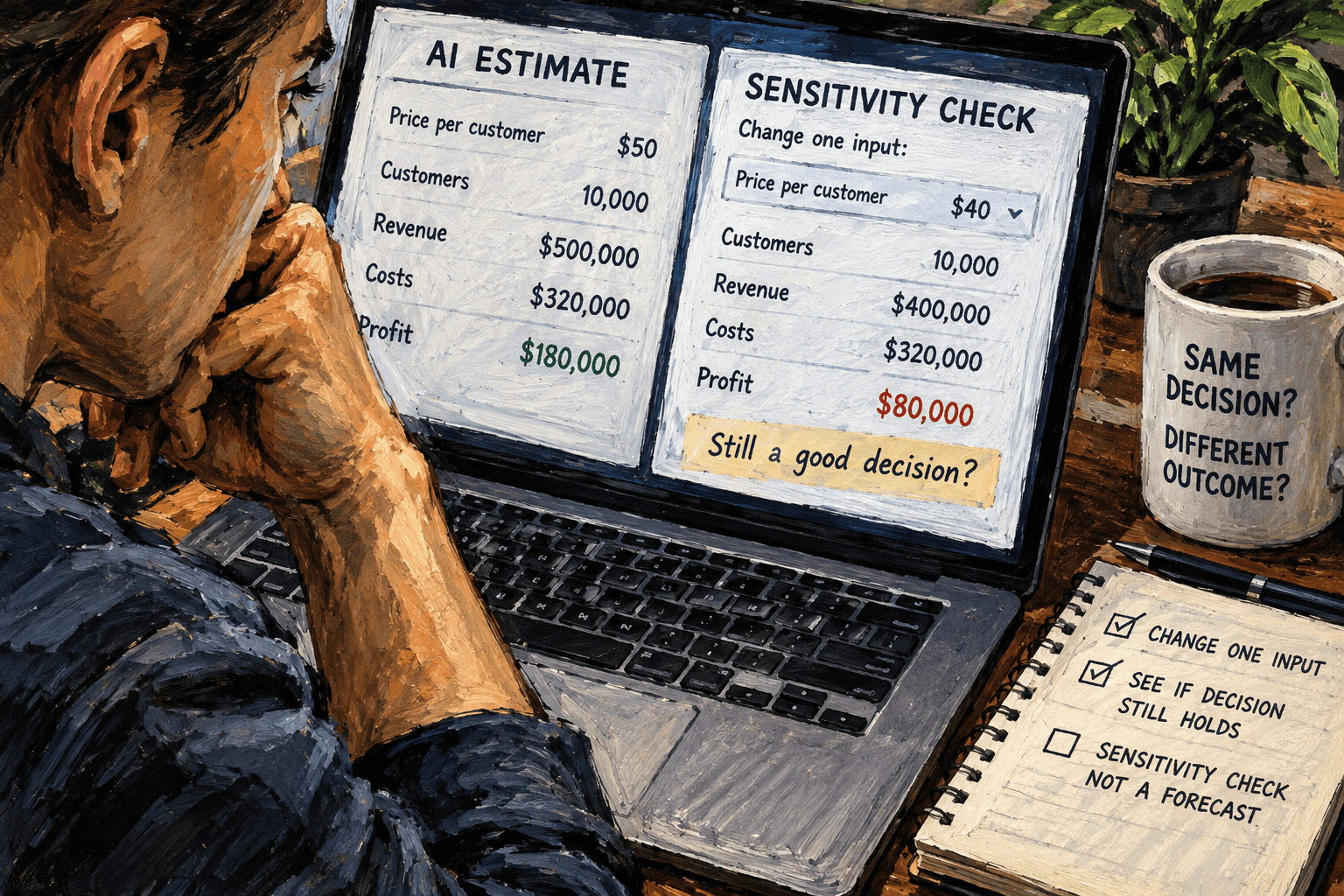
When AI gives you a business estimate, change one input and see whether the decision still holds. The result is a sensitivity check, not a forecast.
Foundational AI: Do's and Don'ts
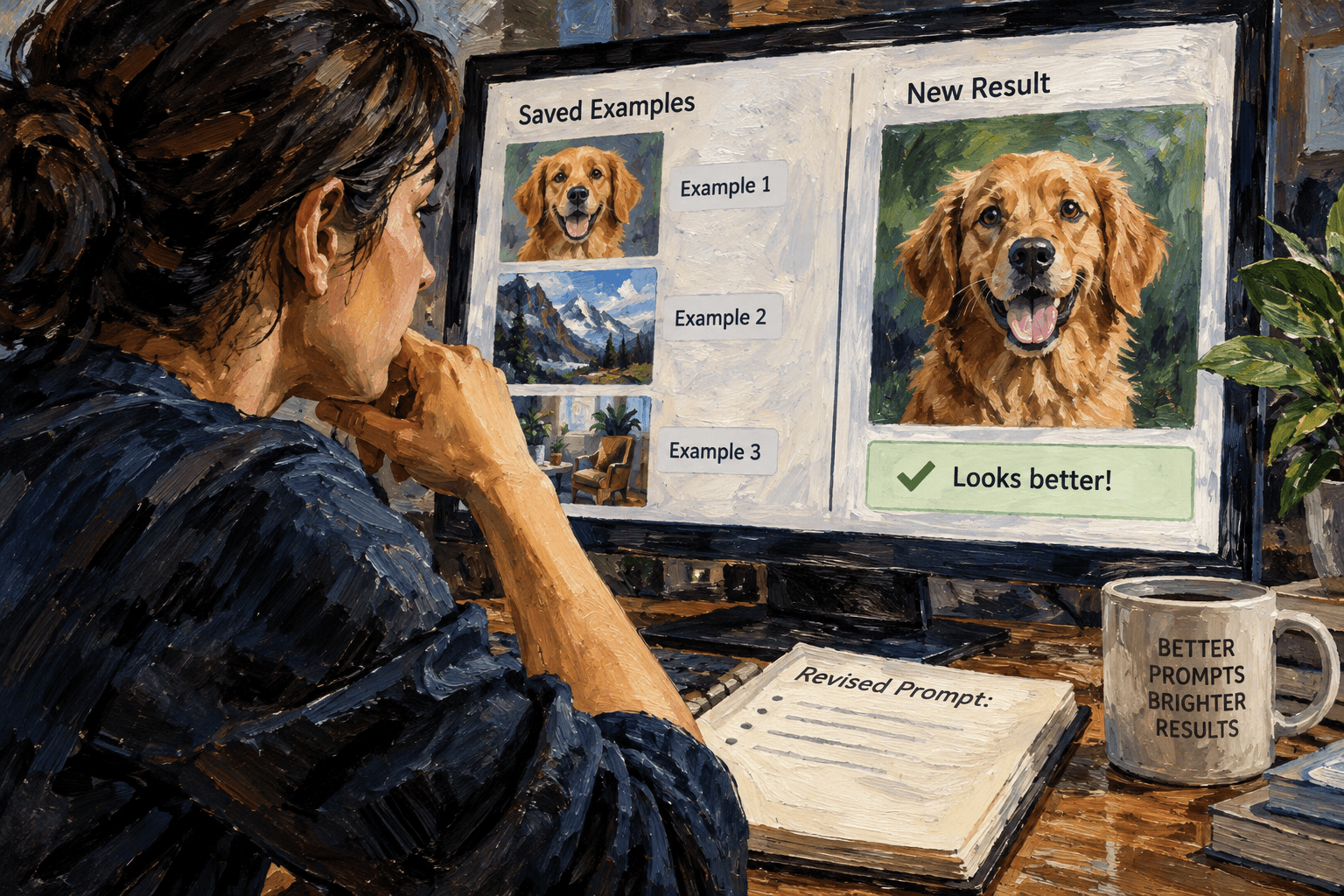
When you revise an AI prompt for recurring work, keep a few labeled examples aside and use them to check whether the change actually helped.
Foundational AI: Do's and Don'ts
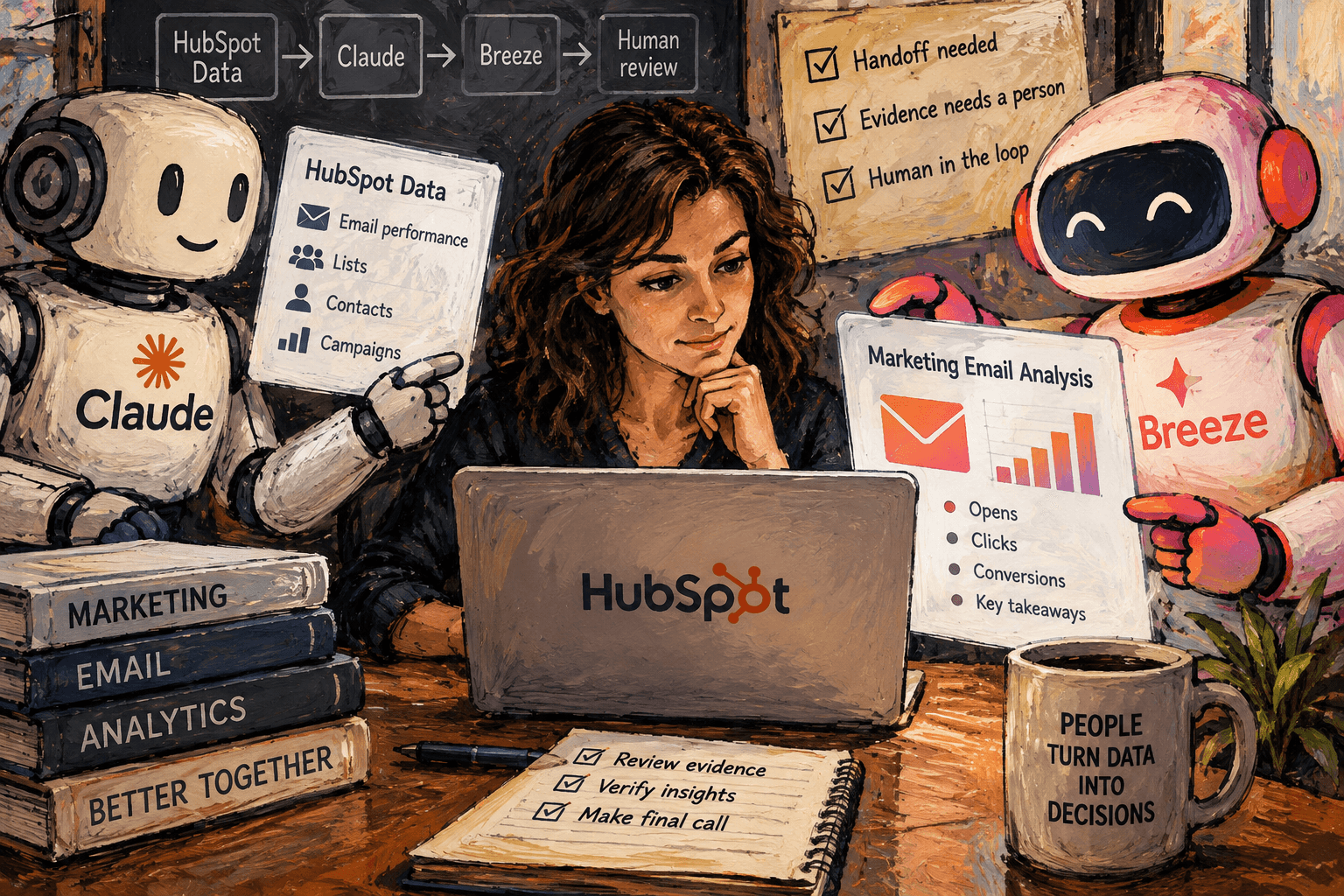
A HubSpot Community user wants Claude and Breeze to share marketing-email analysis. The current Claude connector can bring HubSpot data into one review, but the handoff and the evidence still need a person.
Foundational AI: Do's and Don'ts
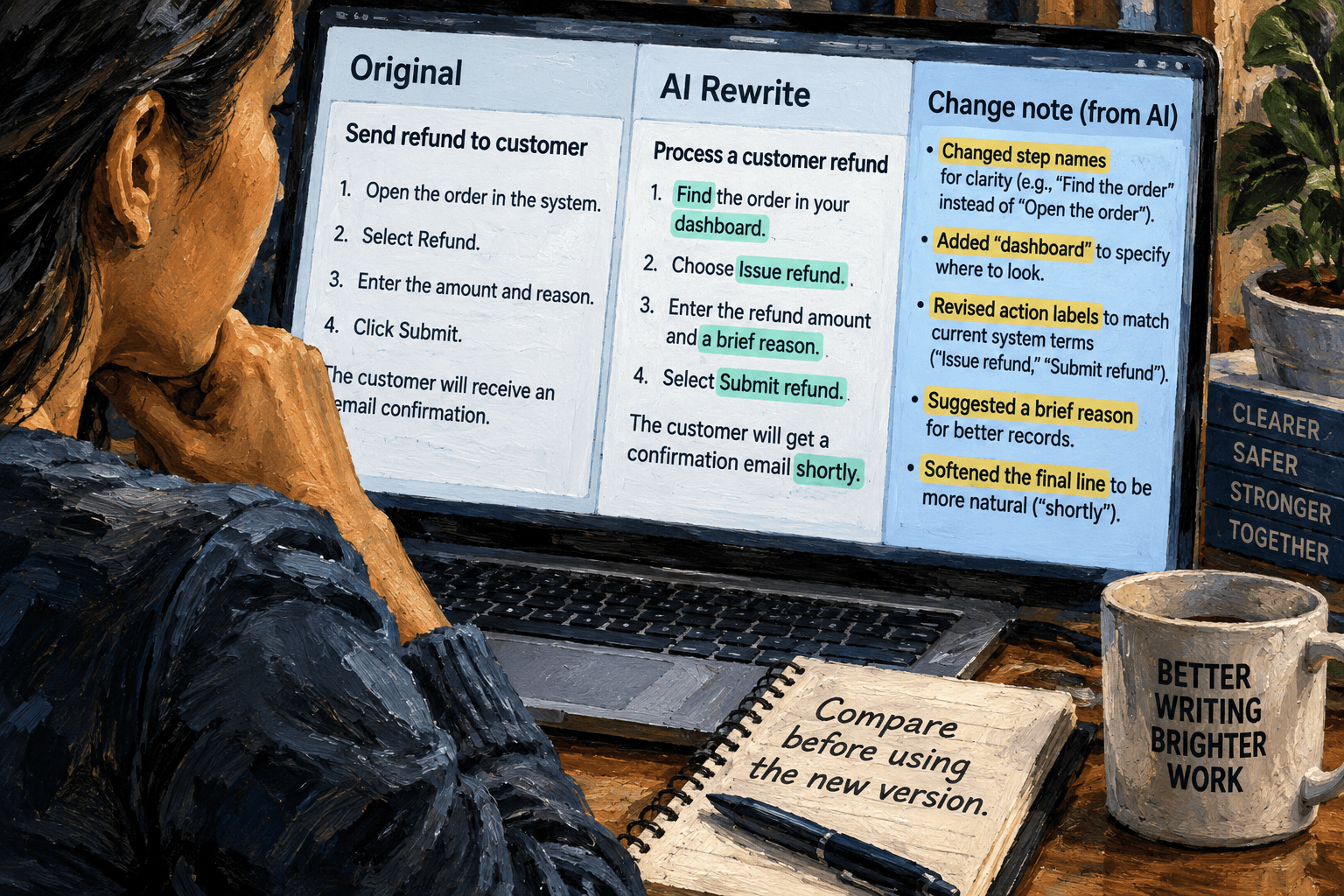
When AI rewrites a procedure or message, ask it to show what changed and why. Then compare that note with the original before using the new version.
Foundational AI: Do's and Don'ts
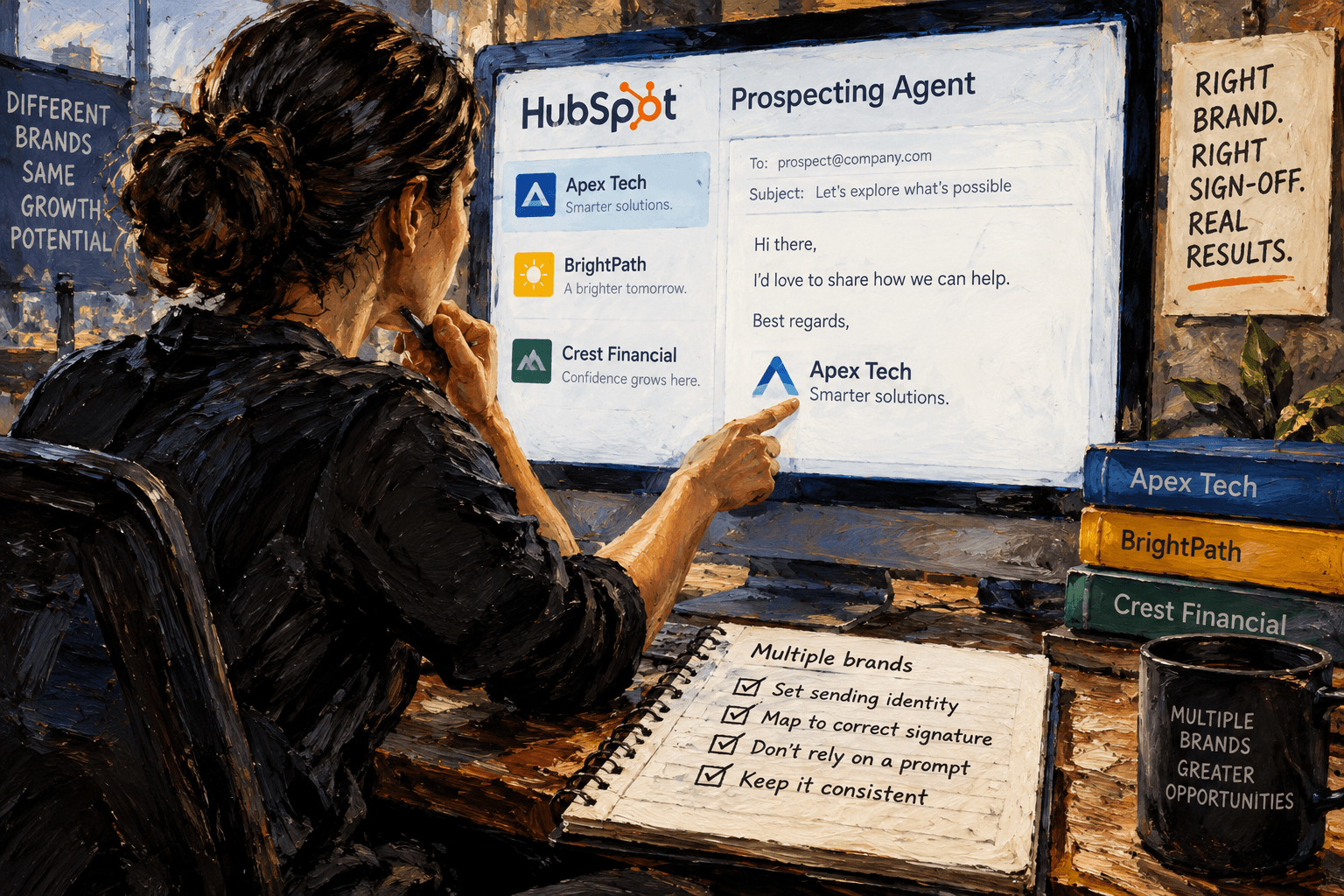
HubSpot’s Prospecting Agent ties its signature to the sending identity, not clearly to the selling profile. Here’s how to handle multiple brands without trusting a prompt to choose the right sign-off.
Foundational AI: Do's and Don'ts
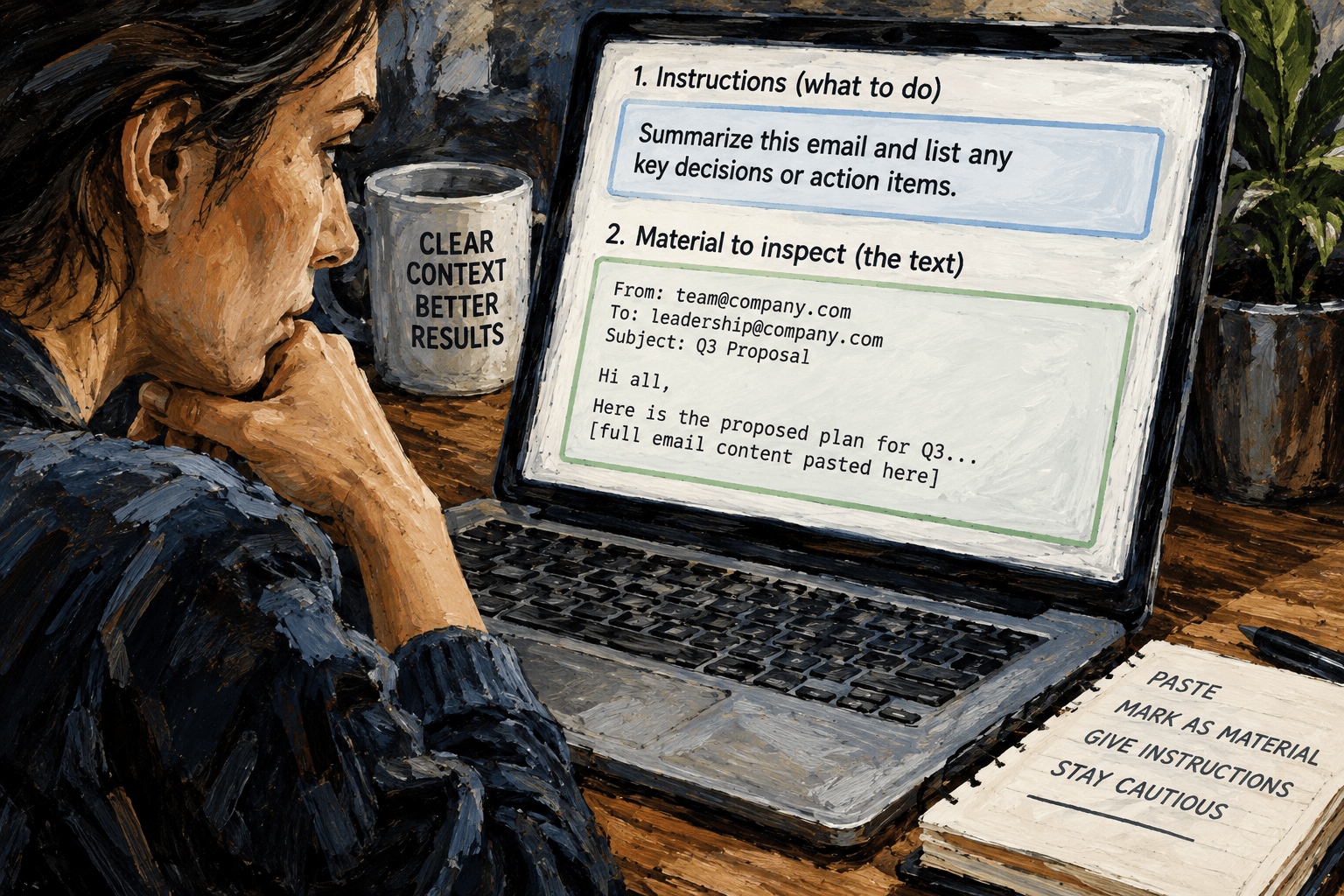
When you paste an email, proposal, or policy into AI, mark it as material to inspect and say what to do with it. The boundary helps clarify the task, but it does not make sensitive actions safe.
Foundational AI: Do's and Don'ts
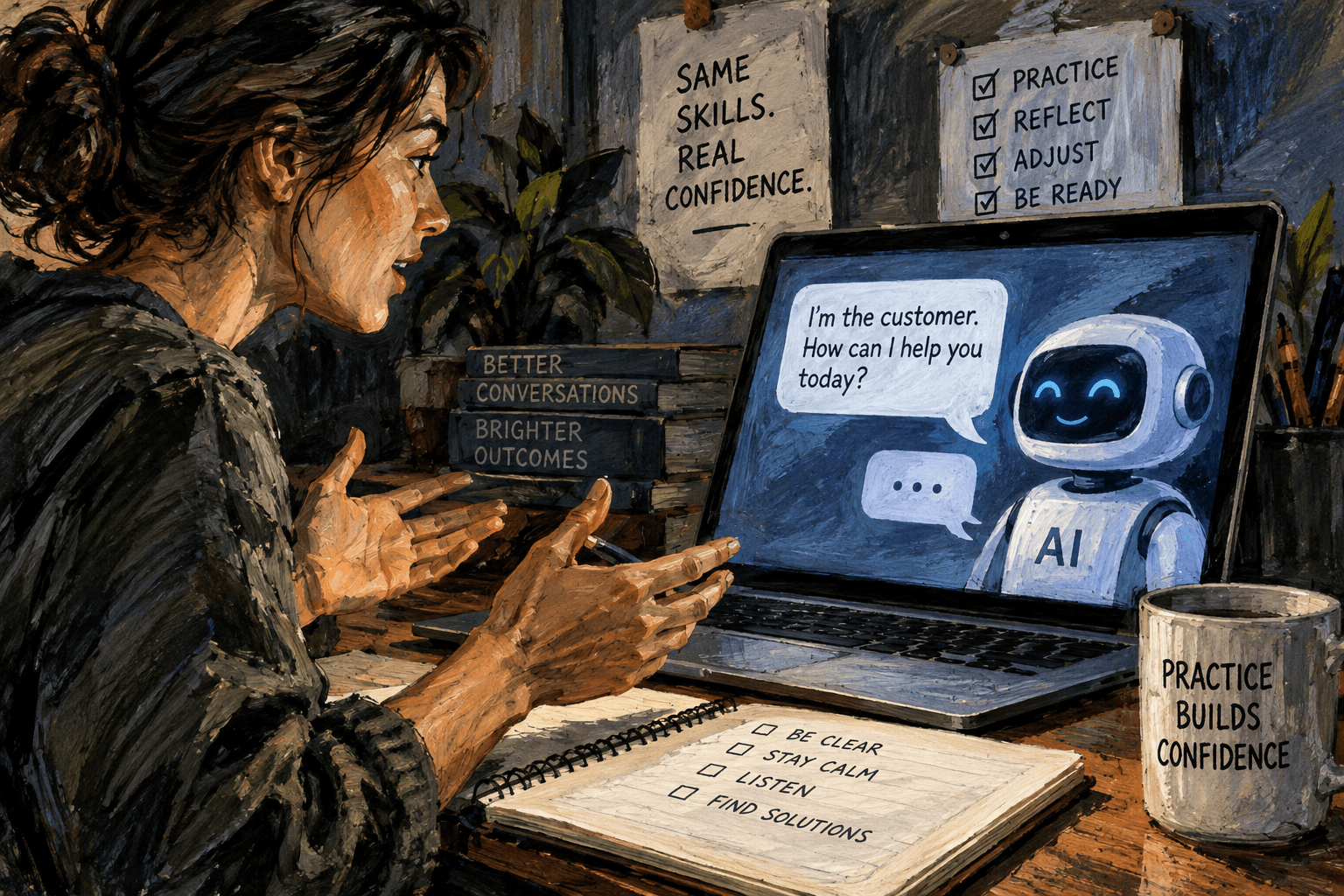
AI can help you practice a difficult conversation before it happens. Treat the role-play as rehearsal, not evidence about what a real customer thinks.
Foundational AI: Do's and Don'ts
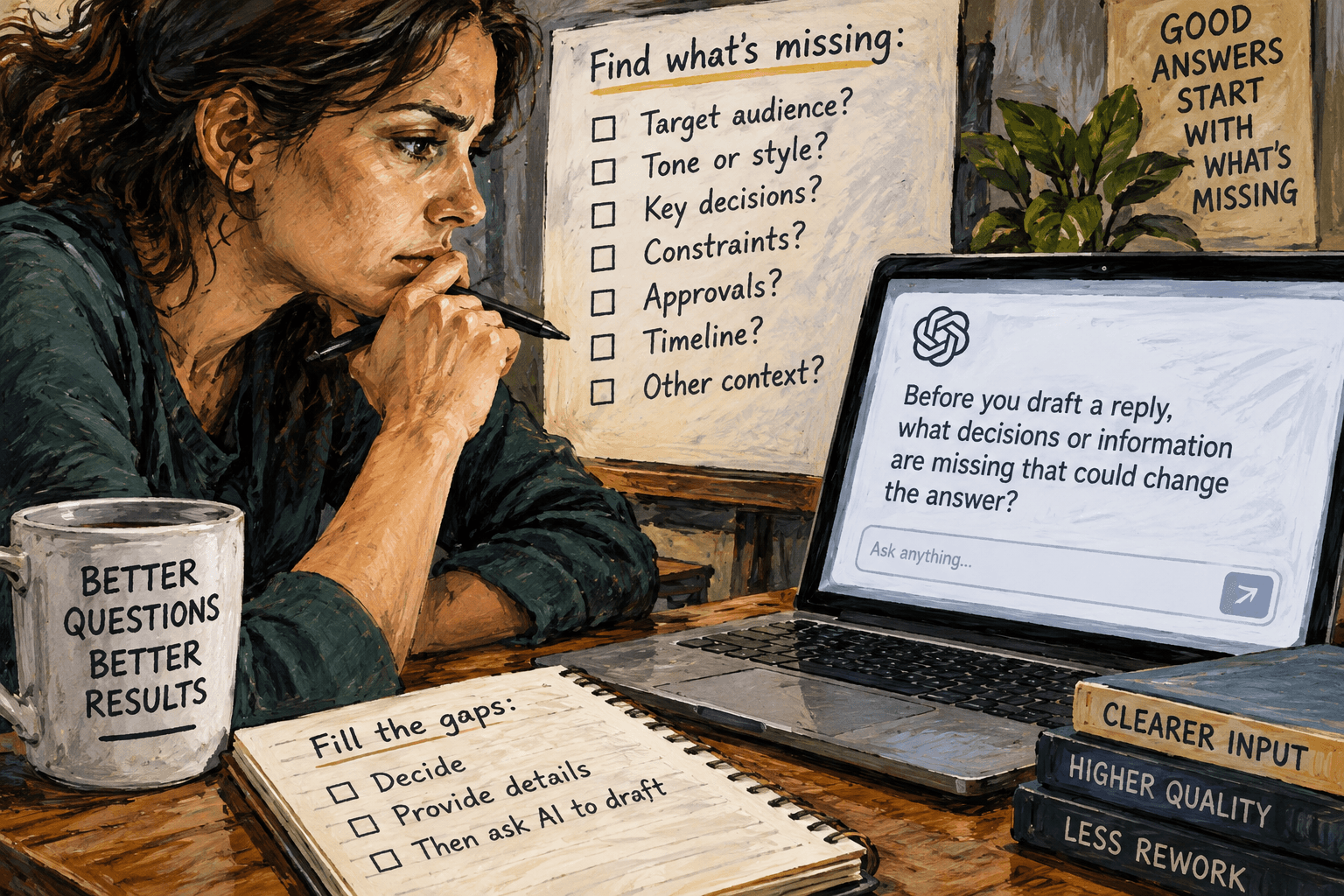
Before AI writes a customer reply or internal update, ask it to find the missing decisions that could change the answer. Then you can fill the gaps instead of editing a confident guess.
Foundational AI: Do's and Don'ts
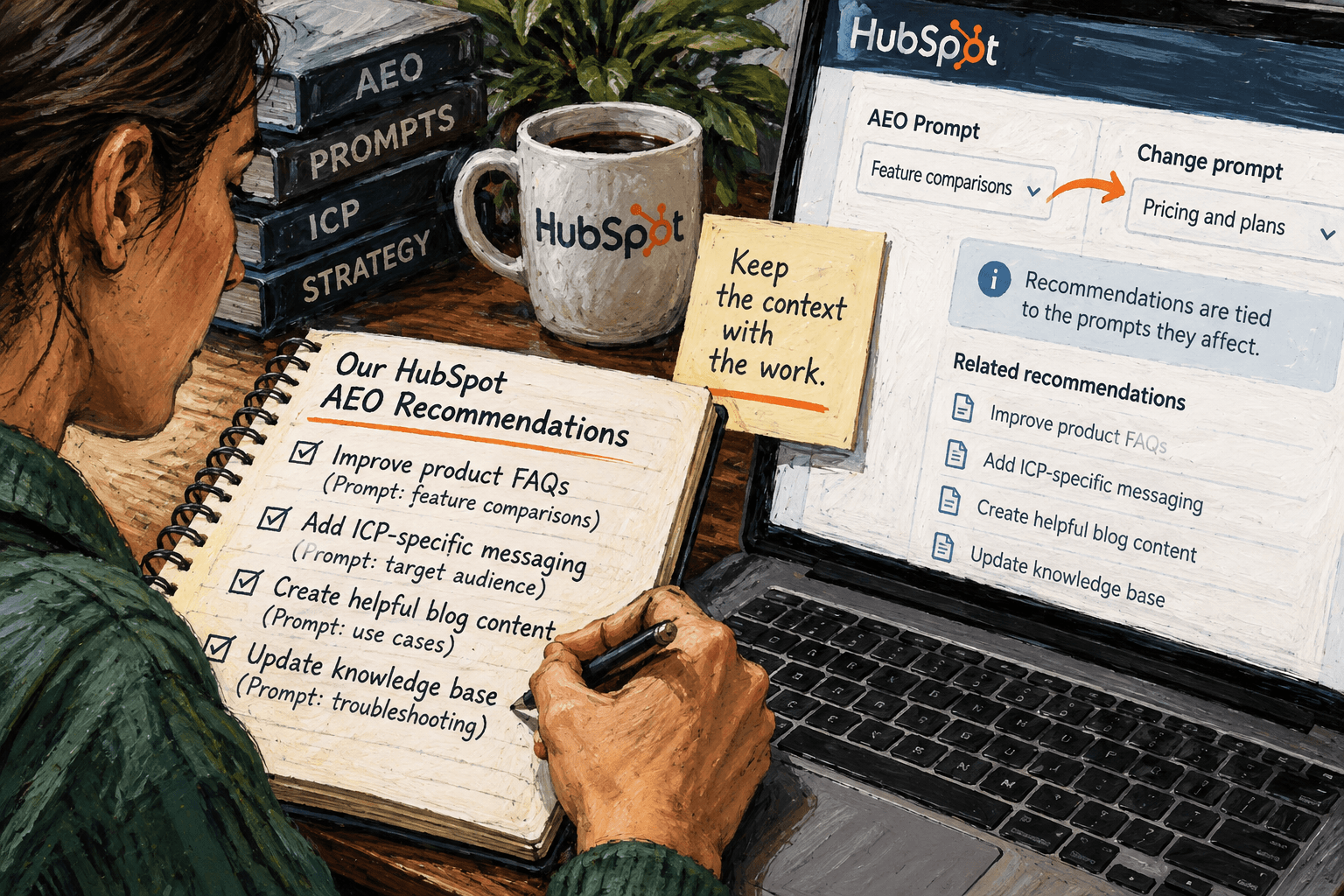
Before changing AEO prompts or ICPs, keep a separate record of the recommendations your team owns. HubSpot ties recommendations to the prompts they affect, so keep that context with the work.
Foundational AI: Do's and Don'ts
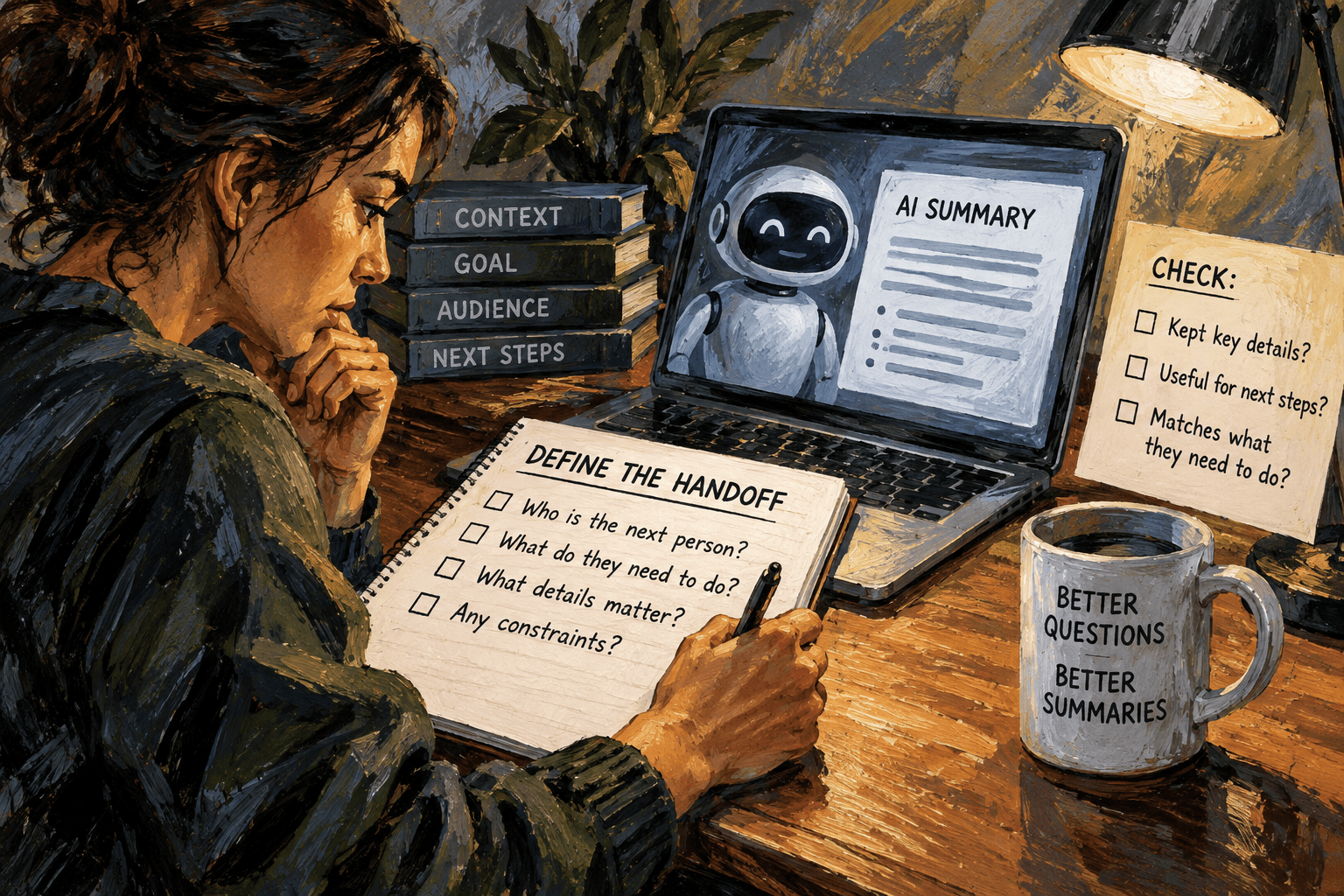
A useful AI summary is shaped by what the next person needs to do. Define that handoff first, then check that the summary kept the details that matter.
Weekly digest
The weekly digest is being curated: a few meaningful developments and one practical takeaway, with useful detail in the email. Delivery will resume after the audience and schedule are confirmed. One click to unsubscribe, any time.